
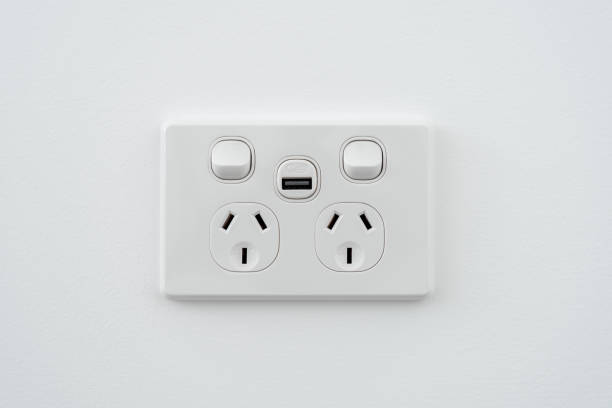
It might seem harmless to install power outlet on your own. After all, it’s just a couple of wires and a faceplate, right? But behind that outlet is a live electrical system that can cause serious damage. Electrical work is never as simple as it looks on the surface.
Whether it’s your home or office, poor electrical work increases the risk of fires, shocks, and long-term system failures. In Australia, even minor jobs like installing power outlet require compliance with strict safety codes, which DIY attempts like installing AC often overlook.
Hiring a licensed electrician ensures that every outlet is safe, legal, and functional. It’s about protecting lives, property, and avoiding expensive future repairs.
What’s Happens When You Install Power Outlet
When you install power outlet without proper training, you’re dealing with live wiring, breaker loads, and grounding systems that must meet legal standards. One small misstep, like overloading a circuit, can lead to electrical fires or equipment damage.
Most homeowners don’t realise that installing power outlet also involves checking your switchboard’s capacity and ensuring compliance with the Australian Electrical Code. Simply connecting wires is not enough. You need to assess load balance and fault protection.
Licensed electricians follow a checklist: they test the circuit, isolate power, use insulated tools, check polarity, and issue compliance certificates. That’s far more than any DIY video will show you, and the difference could save your home.
Permits & Compliance
When you install power outlet without a licensed electrician, you’re violating the Electrical Safety Act 2002 and AS/NZS 3000:2018 Wiring Rules. These rules govern electrical installations across Australia. These regulations ensure your outlet meets minimum safety requirements. It includes correct earthing, load handling, and circuit protection.
In most Australian states, you legally need an electrical compliance certificate when installing power outlet in any domestic or commercial property. Failing to obtain this certificate can result in penalties up to $40,000 for individuals and over $200,000 for corporations, depending on your state or territory.
Insurance companies will often refuse coverage if electrical work was carried out without a licensed electrician and without a compliance certificate. This means any fire, electrocution, or property damage caused by DIY wiring won’t be covered, putting your home at serious risk.
Safety Risks of DIY Electrical Work
Trying to install power outlet on your own might seem like a weekend project, until it ends in disaster. Electrical systems are complex, and even one wrong connection can lead to serious safety hazards. Most DIY installations lack proper grounding or circuit protection, putting your home at immediate risk.
Statistics from Electrical Regulatory Authorities Council (ERAC) show that over 15% of residential electrical fires in Australia are due to unlicensed or non-compliant work. Many of these fires start from outlets that were either overloaded, improperly connected, or not insulated according to standards. Electric shock is also a real danger, especially when you don’t know if a wire is still live.
Installing a new power outlet without a professional electrician may also bypass residual current device (RCD) protection. It is a life-saving safety feature now mandatory in all modern installations. Without it, even minor mistakes can result in fatal shocks or severe injury. Safety is a professional responsibility.
Cost of Mistakes
When you install power outlet incorrectly, even a small error can overheat wires and damage appliances. A burnt outlet caused by improper wiring can cost $200–$500 to repair, not including any appliance damage or wall repairs that follow.
For example, installing a new power outlet without checking the breaker load could trip your circuit constantly, or worse, melt the wiring insulation and start a fire. A licensed electrician uses a clamp meter to check circuit capacity, ensures GFCI/AFCI protection, and selects the correct gauge wire for safety.
Professionals might charge $150–$250 for the job. However, fixing DIY mistakes can easily exceed $700 after inspection failures, patching drywall, and emergency callout fees. And most insurance won’t cover electrical fires linked to unlicensed work.
Why Only a Licensed Electrician Should Install Power Outlet
When you install power outlet connections without a licensed electrician, you risk far more than a faulty switch. You risk safety, compliance, and long-term reliability. Certified electricians don’t just connect wires; they assess load requirements, verify grounding, and ensure the circuit is protected in line with current Australian Standards.
Installing a new power outlet may look simple, but it involves assessing the full electrical layout, load balance, and circuit limitations. Many professionals have the tools, training, and regulatory knowledge to get it right the first time. Unprofessional work often fails to meet inspection standards and may void your insurance policy in case of an electrical fire or injury.
At All Areas Electrical S.A., we’ve spent over 13 years earning the trust of South Australians across domestic and commercial markets. From Telstra to NBN Co, our reputation is built on safety, precision, and guaranteed workmanship. Whether you’re upgrading one outlet or renovating an entire space, we make sure every job meets the highest standards.
Conclusion
When it comes to install power outlet tasks, cutting corners can lead to serious consequences — from fire risks to failed insurance claims. Hiring a licensed electrician isn’t just about getting the job done. It is about protecting your home, your family, and your investment with work that’s up to code and built to last.
Whether you’re installing a new power outlet for convenience or installing power outlet connections during a renovation, trust a professional who understands the legal and safety requirements. The peace of mind that comes from a job done right is always worth it.
Contact Us now for safe installation! You can also explore our other services.