
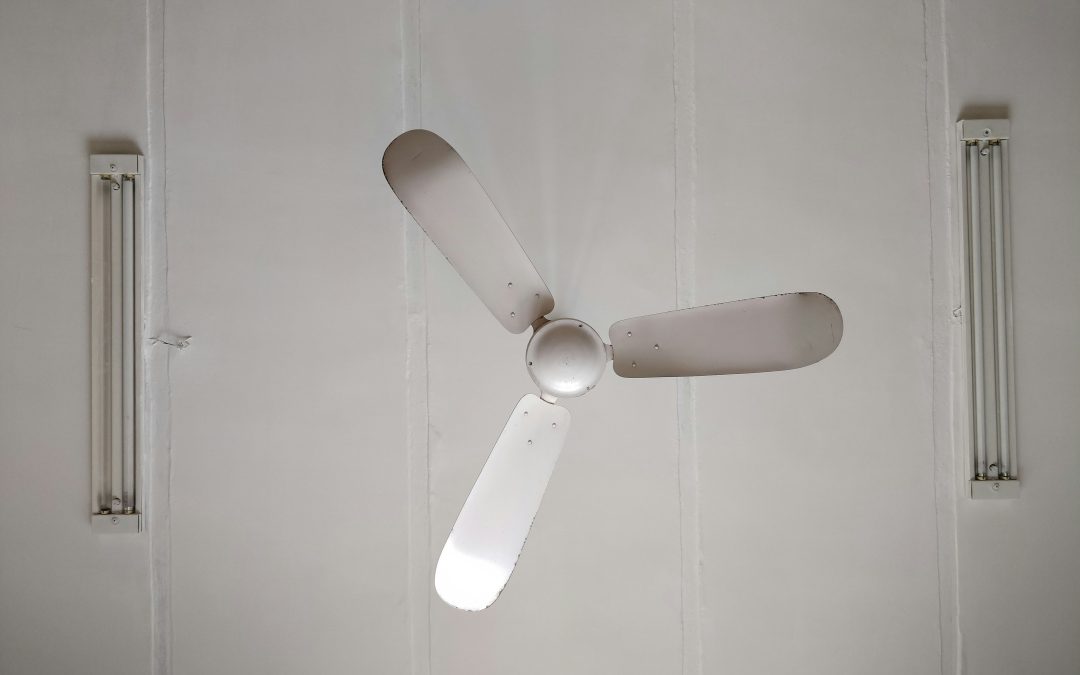
In modern homes, ceiling fan installation is now more than a practical upgrade because it now involves design and comfort decision. With rising energy costs and emphasis on efficient home cooling, ceiling fans are a cost-effective solution. Homeowners are increasingly choosing fans that blend seamlessly with interior themes while enhancing airflow and lighting.
However, while the process may seem simple, many people try installing a new ceiling fan on their own. From mounting and wiring to ensuring weight support and balance, even a small mistake can lead to noise issues, ceiling damage, or electrical hazards. DIY attempts might save upfront costs but can lead to more expensive problems later.
This is where professional services truly prove their value. Hiring a certified expert ensures the job is done safely, meets building codes, and saves time and frustration. In many cases, professional installation ends up being the smarter choice for long-term peace of mind.
The Difficulty Behind Ceiling Fan Installation
Ceiling fan installation requires identifying if your existing electrical box is “fan-rated” (UL-listed to support 35–70 lbs). Standard light fixture boxes often aren’t. And using one can cause the fan to fall. You also need to check if the ceiling joist can support the bracket. Also, if the wiring can handle motor and light fixture loads if combined.
Unprofessional installers often ignore blade balancing or mount the fan on a slightly angled bracket. It leads to wobble, noise, or vibration that gets worse over time. A common mistake is using improper mounting screws or failing to tighten the canopy correctly. If you’re working with a sloped ceiling, the wrong downrod or lack of an angled ceiling adapter can make the entire fan tilt.
Installing a new ceiling fan also requires attention to blade clearance and height. According to NEC (National Electrical Code), blades should be at least 7 feet off the floor and 18 inches from the walls. If your ceiling is under 8 feet, you need a flush mount. Whereas higher ceilings may need an extended downrod. Additionally, you must match the fan’s CFM rating to your room size.
Avoiding Electrical Hazards
Ceiling fan installation requires working with live wiring, identifying proper circuit load, and checking grounding and neutral lines. Faulty wiring or loose connections can cause short circuits and overheating. These are hte causes of residential electrical fires, especially in older homes where wiring is brittle.
Installing a new ceiling fan also means you must comply with local electrical codes. These codes cover junction box ratings, wire gauge compatibility, and switch loops. Licensed electricians with the professional training can perform this work.
Protecting Your Ceiling, Wiring, and Fan
Ceiling fan installation without the right box can cause structural and electrical damage. Standard plastic or metal electrical boxes are for light fixtures (up to 10–15 kg). However, most ceiling fans or those ceiling fans with lights require boxes that can support at least 22–35 kg, depending on the model. If you use the wrong box, the fan can loosen over time, damaging the ceiling or even falling.
Many DIY installs also fail to check the box’s mounting to a ceiling joist or secure brace. Australian electrical standards (AS/NZS 3000) require secure mechanical support to prevent vibration-related wear. Incorrect boxes can cause wobbling fans, cracked plaster, or short circuits in ceiling wiring due to wire fatigue.
If you’re Googling ceiling fan installation near me, make sure you’re not just looking for convenience. You should look for ceiling fan installation services who knows what type of junction box your ceiling needs. Whether your ceiling angle requires a slope-mount kit, and how to preserve your fan’s manufacturer warranty. Most brands like Mercator or Brilliant Lighting void warranties for DIY installs.

Long-Term Cost Benefits
Ceiling fan installation might seem like an easy DIY project, but mistakes often lead to costly repairs. It can require rewiring circuits, replacing crack plaster or even replacing an improperly installed fan. While hiring a licensed electrician might cost more upfront, it eliminates the risk of poor balancing and motor strain.
If you’re searching for ceiling fan installation near me, make sure your money is worth paying for quieter performance, longer fan life, and better airflow efficiency. A professional installer can assess room size, ceiling height, and optimal blade clearance. That means fewer maintenance issues, less vibration noise, and smoother operation over time.
When to Hire a Professional
Ceiling fan installation is different for homes with high ceilings, concrete slabs, or sloppy roofs. It requires special tools, reinforced mounts, and safety gear. If you’re installing a new ceiling fan in these conditions, professional expertise becomes essential. A qualified electrician ensures the fan is runs properly and meets all local code requirements.
You should also hire a pro when upgrading old fixtures, running new wiring, or installing fans in multiple rooms or outdoor areas. These projects often involve assessing circuit loads and selecting the right fan-rated junction boxes. Whether you’re replacing an old unit or want to install ceiling fan systems throughout your home, a licensed installer can do the job safely.
Conclusion
Choosing a licensed professional for your ceiling fan installation is about safety, compliance, and long-term performance. From proper wiring to fan balancing and code-compliant installation, every step matters when installing a new ceiling fan. DIY installation like AC installation shortcuts may seem cheaper at first, but the risks of electrical hazards, ceiling damage, and noise issues make them an expensive gamble.
For peace of mind and guaranteed workmanship, trust All Areas Electrical SA. We are South Australia’s best experts in residential and commercial electrical services.
If you’re upgrading your living space or planning a full home installation, contact us today to book safe, reliable, and professional service.