
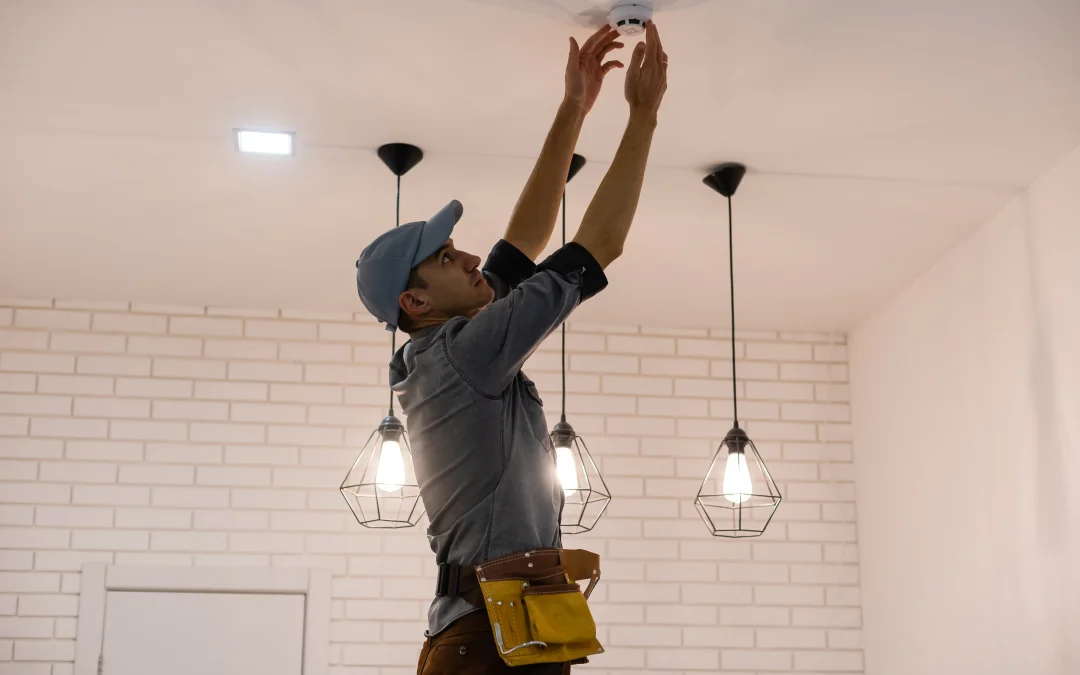
Smoke alarm installation is one of the simplest ways to protect lives and property in Australia. A correctly installed alarm can detect smoke in seconds, giving you time to evacuate before a fire spreads.
While every home and business is required to install smoke alarms, many people overlook proper placement and compliance standards. Residential and commercial properties often have different installation rules, which can impact safety and insurance coverage.
In this guide, we’ll explain how to install smoke alarms the right way, the difference between home and business requirements. Also, why hiring a professional ensures compliance with Australian standards.
Australian Smoke Alarm Regulations
Proper smoke alarm installation in Australia is legally required. The Building Code of Australia (BCA) and Australian Standard AS 3786 mandate that all homes have compliant smoke alarms installed. These alarms must meet performance and placement criteria to provide early warning in case of fire.
In Queensland, for example, new legislation effective January 1, 2027, requires interconnected photoelectric smoke alarms in all bedrooms, hallways, and on every level of the home. Similar regulations apply in other states, although specific deadlines and requirements can vary. Failing to comply can lead to fines and even impact property sales.
When you install smoke alarms, you can choose between hardwired alarms (with battery backup) or 10-year lithium battery models. Hardwired alarms are often preferred for reliability and may also be required for new builds. Importantly, insurance providers can deny claims if a fire occurs in a property that does not meet state smoke alarm regulations.
Correct Placement of Smoke Alarms in Homes
Correct placement is crucial when installing smoke alarms because even the best alarm can fail to protect if it’s in the wrong spot. At a minimum, every home should have one smoke alarm on each level, plus alarms inside or immediately outside all sleeping areas. This ensures smoke is detected quickly no matter where a fire starts.
Avoid placing alarms in kitchens, bathrooms, or near air-conditioning vents, as steam, cooking fumes, or airflow can trigger false alarms or reduce detection sensitivity. Instead, position alarms in nearby hallways or just outside these spaces to balance safety and practicality.
When performing smoke alarm installation, follow spacing guidelines: alarms should be mounted on the ceiling at least 30cm away from corners or walls. Or, on a wall 30–50cm below the ceiling if ceiling mounting isn’t possible. Proper positioning ensures smoke reaches the sensor quickly, giving maximum warning time.
Commercial Smoke Alarm and Detector Requirements
Commercial fire safety demands more than basic smoke alarm installation—it requires fully compliant fire detection systems. Residential properties mainly rely on standalone or interconnected photoelectric alarms. Whereas commercial setups integrate smoke detectors, heat detectors, and fire indicator panels to meet stricter safety standards.
In offices, warehouses, or apartment complexes, alarms must cover corridors, stairwells, plant rooms, storage areas, and escape paths. Kitchens, car parks, and high-dust areas often require heat detectors instead of standard smoke alarms. A professional smoke alarm installer will assess the building’s design to ensure all risk zones are covered.
Commercial systems must comply with AS 1670.1 (fire system design and installation) and AS 1851 (routine service and maintenance). Many setups are interconnected to fire indicator panels and 24/7 monitoring services, ensuring instant alerts to emergency services. This level of compliance not only protects occupants but is often mandatory for insurance and building certification.
Common Mistakes to Avoid
Even when you install smoke alarms correctly, certain oversights can compromise safety. A common mistake is mounting alarms too close to ceiling fans, bathrooms, or air-conditioning vents. These are the points where airflow or steam prevents smoke from reaching the sensor quickly. Proper positioning ensures timely detection without false triggers.
For multi-level homes or duplexes, not interconnecting alarms is a frequent error. Interconnection ensures that if one alarm sounds, all alarms in the property activate simultaneously. A professional smoke alarm installer will always check that new systems meet this requirement.
In commercial buildings, a critical oversight is neglecting regular testing, inspection, and certification. AS 1851 mandates routine testing to ensure detectors, indicator panels, and backup batteries function properly. Skipping maintenance can result in fines, insurance claim rejections, and unsafe conditions during an actual fire. Also, read how commercial LED lighting can save 70% energy costs.
Conclusion
A properly smoke alarm installation is all about safeguarding lives and property. Investing in compliant alarms gives you the confidence that your family, employees, or tenants are protected from the unexpected.
By ensuring alarms are placed correctly, interconnected, and routinely maintained, you eliminate the risks of delayed alerts or system failures. Peace of mind comes from knowing your property is prepared for emergencies.
Contact All Areas Electrical SA today to install smoke alarms with expert precision and full compliance. Protect your home or business with professional installation.
FAQs
1. How to install a battery in a smoke alarm?
To install a battery, open the alarm’s battery compartment, insert the battery according to the polarity markings, and close the cover securely. For reliable smoke alarm installation, always test the alarm after replacing the battery to ensure it’s working.
2. How to install a smoke alarm?
To install smoke alarms, choose a central ceiling location away from vents or fans. Drill holes, mount the base plate, connect wiring if it’s hardwired, and attach the alarm. For safety and compliance, installing smoke alarms is best handled by a licensed electrician.
3. Where should smoke alarms be installed?
Smoke alarms should be on every floor, inside or near bedrooms, and in hallways. Avoid placing them near kitchens or bathrooms to reduce false alarms. Professional smoke alarm installation ensures proper spacing and compliance with Australian standards.
4. How often should smoke alarms be tested and replaced?
Test your alarms monthly and replace batteries yearly unless you have 10-year lithium models. Replace the entire smoke alarm unit every 10 years to ensure reliability. Licensed electricians can assist in installing smoke alarms and routine checks.
5. Are interconnected smoke alarms required in Australia?
Yes, most new builds and major renovations must have interconnected alarms under the Building Code and local regulations. Interconnected smoke alarm installation ensures all alarms sound simultaneously, giving maximum warning in an emergency.