
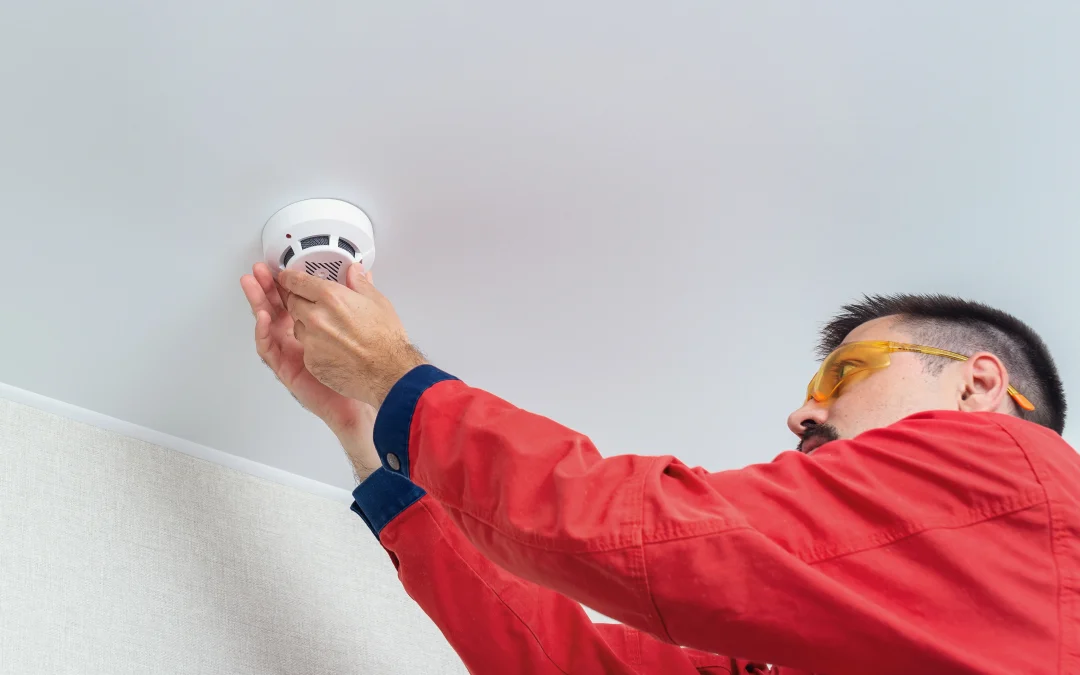
When you install smoke alarms in a commercial building, it is not just about following regulations. It is also about protecting lives, property, and business operations. Fires can spread in minutes, and early detection can help in safe evacuation to avoid a major loss.
Commercial smoke alarm installation in Australia must comply with AS 1670.1 for commercial detection systems. These regulations are related to fire indicator panels. Proper installation is also crucial for meeting insurance and building certification requirements.
In this guide, I will talk about five key areas where, you can ask the electricians to install smoke alarms in commercial spaces. It helps to minimize risk, ensure safety, and keep your business fully compliant with Australian standards.
1. Hallways and Exit Corridors
Hallways and exit corridors are the primary escape routes in any commercial property, making them important during smoke alarm installation. Proper coverage here ensures that occupants receive the earliest possible warning in case of fire, allowing for safe evacuation.
When you install smoke alarms in hallways, they must comply with Australia’s regulations of AS 1670.1, which specifies alarm placement along egress paths. This includes long corridors, exit routes to stairwells, and connecting hallways. Ensuring full coverage avoids “dead zones” where smoke might go until it’s too late.
A professional smoke alarm installer will also interconnect your smoke alarms in corridors with the building’s fire indicator panel (FIP). This indicator panel triggers evacuation alerts and notifies emergency monitoring services.
2. Stairwells and Emergency Exits
Stairwells and emergency exits are high-risk areas because fire and smoke naturally travel upward, quickly filling vertical escape routes. Smoke alarm installation here ensures occupants can evacuate before stairways become unsafe, which is crucial for multi-storey commercial properties.
When you install smoke alarms in stairwells, they should be positioned at each level landing, clear of draughts or vents, and interlinked with the main FIP. This guarantees alarms are detected centrally, and the system can activate sprinklers, fans, or alert fire wardens if required.
A licensed smoke alarm installer will ensure stairwell alarms are compliant with AS 1670.1 and local council regulations, providing both legal protection and enhanced occupant safety. Also, you should avoid the mistake of installing them close to LED downlights.
3. Kitchens, Break Rooms, and Cafeterias
Commercial kitchens are the most common source of false fire alarms, so using standard smoke alarms inside these areas is a mistake. Instead, you should use rate-of-rise heat detectors because they react to sudden temperature spikes rather than steam or cooking smoke.
When you install smoke alarms in break rooms or near kitchens, position them 1.5 to 3 metres away from cooking appliances to avoid nuisance alarms. For large canteens or cafeterias, you can interconnect alarms so activation triggers a building-wide warning.
A professional smoke alarm installer will often combine heat detectors inside the kitchen with smoke detectors just outside the door. It creates a detection system that meets safety and insurance requirements.
4. Storage Rooms and Utility Areas
Storage rooms often contain paper, chemicals, or cleaning supplies, while utility spaces hold electrical panels or battery backups. It makes them fire-prone zones. Installing alarms in these rooms ensures that smoke alarms can detect hidden fires before reaching sensitive areas.
During smoke alarm installation, alarms should be mounted on the ceiling at least 50 cm away from walls or beams to ensure smoke reaches the sensor. For high shelves or cluttered storage, professionals recommend photoelectric because they detect smoldering fires that produce more smoke than flames.
Licensed smoke alarm installers also perform annual system tests and battery checks. They do that because it is part of compliance and also helps to maintain insurance validity.
5. Plant Rooms, Server Rooms, and High Equipment Areas
These areas are high-risk because overheating motors, UPS batteries, or servers can start fires without visible flames. Standard smoke alarms might respond too late. Instead, professionals often use aspirating smoke detection (ASD). Or, very early smoke detection apparatus (VESDA) that continuously sample the air for microscopic particles.
When you install smoke alarms in these sensitive rooms, they are typically linked to the fire indicator panel and remote monitoring service, which triggers an immediate response to protect both equipment and business continuity.
An experienced smoke alarm installer can also recommend environment-specific solutions, like ionization detectors for fast-flaming electrical fires or photoelectric sensors for shouldering faults.
Compliance and Maintenance Tips
- Hire a Professional Electrician
Always install smoke alarms using a professional electrician to ensure your system meets Australian Standards and avoids legal or insurance complications. - Schedule Routine Inspections
Commercial properties require quarterly testing and annual certification under AS 1851. A qualified team usually handle all checks when installing smoke alarms. - Maintain a Fire Safety Logbook
Businesses must document every inspection, battery change, or detector replacement to stay compliant and avoid penalties during safety audits. - Test and Clean Alarms Regularly
Dust and debris can reduce sensitivity; gently vacuum vents and trigger a test alarm monthly for reliable performance in any smoke alarm installation near me service. - Replace Batteries and Units on Schedule
Don’t forget to replace the 9V batteries annually, and hardwired or lithium-sealed units every 10 years to maintain peak protection. - Integrate with Monitoring Systems Linking alarms to a fire indicator panel or 24/7 monitoring service ensures immediate emergency response, crucial for high-risk commercial areas.
Conclusion
Smoke alarms, aprt from a legal requirement, are also critical for defense for your business, staff, and assets. When you install smoke alarms correctly, you reduce fire risk, protect property, and ensure every occupant has time to evacuate safely.
Partnering with licensed professionals for installing smoke alarms also prevents costly mistakes. From correct detector selection to compliant wiring and maintenance scheduling, expert installation guarantees both safety and insurance protection.
Book professional smoke alarm installation near me with All Areas Electrical SA to safeguard your commercial property. Contact us today to ensure full compliance and long-term fire protection.