
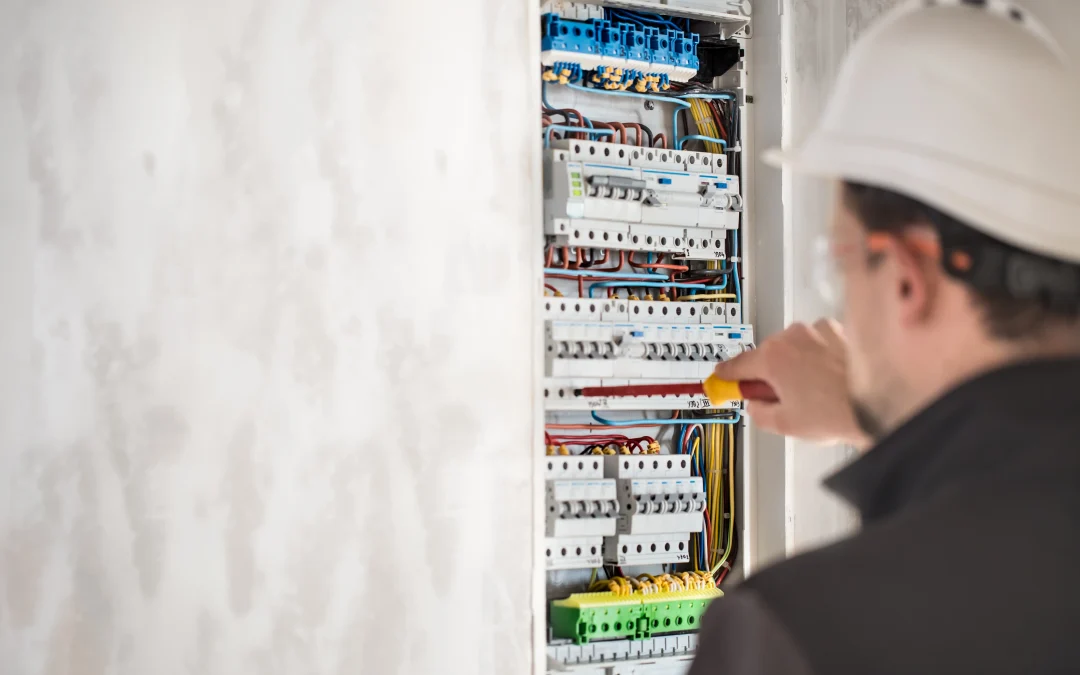
Switchboard installation is the key part of any commercial building’s electrical system. A switchboard distributes electricity to lighting, HVAC systems, elevators, and machinery. It ensures every circuit runs safely and efficiently. Without the right setup, even minor faults can lead to business disruptions or costly electrical hazards.
Modern businesses face higher energy demands than ever before. A timely switchboard upgrade not only improves safety but also ensures your system can handle growing loads from equipment like server rooms, air conditioning, and EV chargers. Neglecting this can result in frequent tripping, overheating, or compliance issues with Australian standards.
Beyond the initial setup, regular inspection and maintenance are just as critical as installation. So, keeping your switchboard in peak condition prevents unplanned downtime, supports insurance compliance. It also helps to protect your commercial investment from preventable failures.
What Does a Commercial Switchboard Do
A commercial switchboard is the control hub for distributing electricity safely across large buildings. Proper switchboard installation allows the system to handle heavy electrical loads from lighting, HVAC units, elevators, etc. Without the switchboard, overloading or uneven distribution can quickly lead to power failures.
In large commercial properties, power is divided using main switchboards, distribution boards, and sub-boards. The main switchboard feeds the entire building, while distribution boards handle separate floors. Sub-boards use specific areas like workshops or server rooms to reduce the risk of overloading a single circuit.
Modern businesses often require efficient safety features. For instance, offices with server rooms, and HVAC systems benefit from RCDs, surge protection, and circuit monitoring. Scheduling a switchboard upgrade ensures your building can support high-demand equipment, meet compliance standards, and prevent downtime.
Key Considerations for Switchboard Installation
Commercial switchboard installation begins with a full load assessment to calculate the current and future electrical demand of the building. This includes accounting for HVAC systems, lifts, server rooms, and any expansions like EV chargers or industrial equipment. Installing the correct capacity from the start prevents costly downtime and overloading.
Compliance is another critical factor. All commercial switchboards must meet AS/NZS 3000 and local energy authority regulations to ensure safety and legal operation. A professional installer can also advise when to upgrade switchboard components to include RCDs and surge protection.
Finally, never rely on DIY like AC installation on your own, or unlicensed work in a commercial setting. A single wiring error can result in power loss, fires, or insurance claims being denied. Meanwhile, professional electricians ensure the switchboard follows specs and ready for future switchboard upgrades if your business grows.
Importance of Regular Maintenance
Routine maintenance is essential to keep your switchboard reliable and safe. Inspections should focus on loose terminals, overheated breakers, corrosion, and dust accumulation, all of which can trigger outages. Businesses with critical equipment should schedule checks at least annually.
Advanced maintenance includes thermal imaging to detect hotspots and insulation resistance testing to find hidden faults before they escalate. Proactive servicing avoids sudden shutdowns, which can be costly in data centers, manufacturing plants, or medical facilities.
The authorities require you to keep a logbook of all inspections and repairs for insurance and regulatory compliance. Pairing maintenance with switchboard upgrades ensures your commercial property stays protected and efficient over time.
Common Problems from Poor Installation
Poor switchboard installation in commercial buildings can lead to frequent breaker trips and voltage fluctuations, disrupting day-to-day operations. These interruptions can damage sensitive equipment such as servers, lifts, or HVAC systems, creating costly downtime.
Another major risk comes from dust buildup, loose connections, or outdated ceramic fuses that can overheat and become fire hazards. Without proper checks, businesses risk catastrophic electrical failures that could have been avoided with a timely electrical switchboard upgrade.
Neglecting maintenance also increases insurance and liability risks. If property damage or workplace injuries occur due to a faulty switchboard, insurers may reject claims. It’s only possible if they prove that you are poorly maintaining systems or you hired unlicensed contractors.

Benefits of Professional Maintenance
Regular maintenance provides a direct return on investment by minimising downtime and extending the lifespan of your electrical infrastructure. A qualified electrician can detect minor faults, like overheating breakers or corroded busbars, before they become major problems.
Maintenance also ensures smooth integration of new technologies, such as EV charging stations, solar inverters, and energy management systems. Planning inspections alongside an upgrade switchboard project means your system can handle higher electrical loads without future rewiring.
Finally, scheduled servicing makes future switchboard upgrades faster and more cost-effective. By keeping your switchboard in top condition, you not only meet compliance requirements but also safeguard your business against unexpected operational disruptions.
When to Upgrade Your Commercial Switchboard
Commercial properties should consider a switchboard installation upgrade if they notice warning signs such as a burning smell, buzzing sounds, discoloured panels, or warm-to-touch breakers. These are clear indicators of overheating circuits or loose connections, which can quickly escalate into fire risks.
An electrical switchboard upgrade is also essential during major building changes like office renovations, the addition of new machinery, or installing solar panels and EV chargers. Old boards with ceramic fuses or limited breaker capacity often cannot safely handle the increased electrical demand.
Modern switchboards offer key safety features like RCDs (Residual Current Devices), MCBs (Miniature Circuit Breakers), and surge protection. These upgrades protect staff, sensitive electronics, and the property itself from short circuits, overloads, and unexpected power surges.
Conclusion
A reliable switchboard isn’t just about passing inspections, it’s the lifeline of your business. Outdated systems can lead to sudden blackouts, fire hazards, or even denied insurance claims. Investing in professional switchboard installation keeps your operations running safely and your team protected.
Don’t wait for an electrical emergency to cost you thousands. Schedule an electrical switchboard upgrade with All Areas Electrical SA today and secure your building with a system built for modern demands.
Call us now to protect your business, avoid downtime, and prepare for future energy needs.