
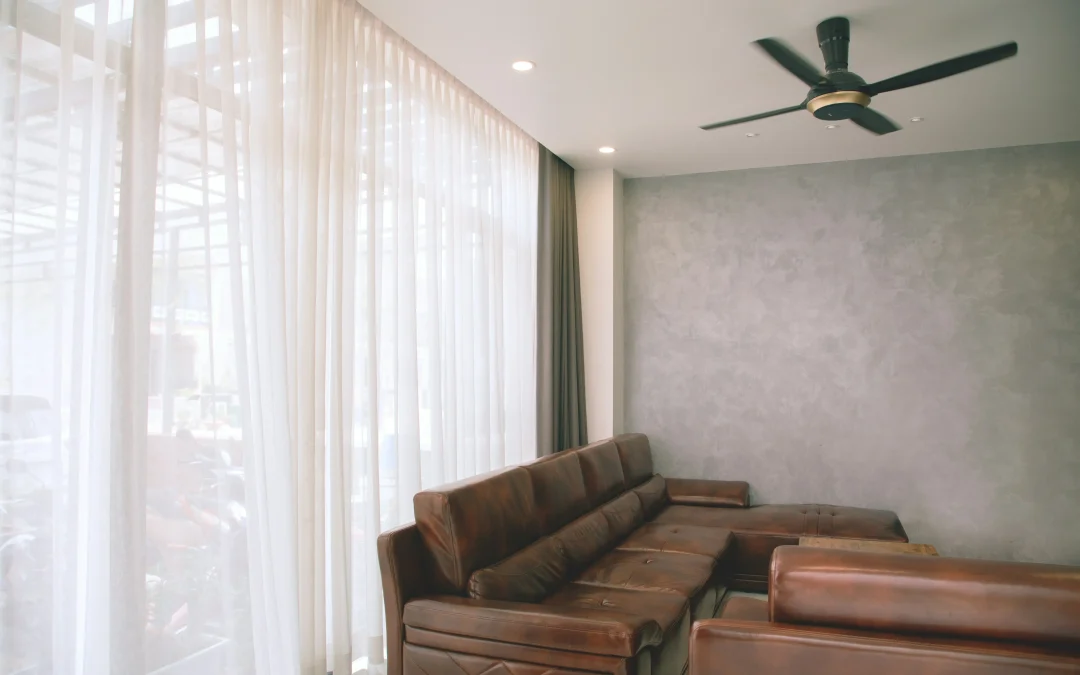
When you’re ready to install ceiling fan after a renovation, it’s not just about connecting wires and flipping a switch. Renovated spaces often have new ceilings, modified layouts, or new electrical systems. All of these new things require careful consideration before installing any fixtures.
A professional ceiling fan installation requires understanding of ceiling height, blade clearance, and load-bearing junction boxes. These factors can change post-renovation, and ignoring them could lead to poor airflow.
So, if you’re installing a new ceiling fan in a bedroom, living room, or outdoor space, the timing and setup matter. Doing it after final finishes like painting or trim work helps avoid damage. While working with a expert electrician ensures your new installation works efficiently.
Confirm Ceiling Box Type and Fan Support
Before you install ceiling fan after a renovation, check that the ceiling electrical box is fan-rated. A fan-rating box is specifically designed to support at least 35–70 lbs of load. This is unlike standard light fixture boxes that can fail under the fan’s weight and movement. Look for labels like UL-listed for fan support or boxes marked Fan Support on the inside.
During renovations, electricians or builders may relocate or upgrade ceiling infrastructure. If you replace or move ceiling box, confirm it’s properly braced between joists or anchored with a secure fan brace kit. This is a key part of compliant and safe ceiling fan installation.
If you’re installing a new ceiling fan and can’t verify the box type visually, unscrew the canopy and inspect. Or, better yet, ask a licensed electrician to test load-bearing support and electrical connections. Never assume it’s safe just because it looks strong.
Check for Final Paint, Plaster, and Trim Work
Always install ceiling fan after your renovation crew completes all painting, plastering, and cornice installation. If you install too early, ceiling dust or wet paint can stain the fan blades or motor housing. It can cause costly cleanup or replacement.
Contractors sometimes leave ceiling touch-ups for last. Don’t let them schedule ceiling fan installation before confirming that all surface work is done. Installing a fan on an uncomplete ceiling risks damage. It might void the product warranty if plaster dust enters the motor.
When installing a new ceiling fan, inspect the mounting area yourself. Make sure the ceiling is smooth, fully dry, and free of any masking tape or surface filler. This ensures the fan sits flush, balances correctly, and doesn’t require a second install.
Finalise Electrical Layout and Switches
Before you install ceiling fan by a professional in a renovated space, confirm that your switch loops, circuit loads, and wall gang boxes support your fan’s control type. If you’ve moved outlets or added dimmer switches, ensure your electrician updates the wiring schematic to accommodate the fan’s amperage and load.
Choose your fan control method: a single-pole switch (basic on/off), dual-gang control (separate switch for light and fan). Or else, you can also choose remote receiver with the canopy, or smart wall control compatible with Zigbee, Z-Wave, or Wi-Fi systems. This choice impacts the wiring and box depth required during ceiling fan installation.
If you’re installing a new ceiling fan with speed control or light dimming, verify compatibility with your fan’s motor type—AC vs. DC. And check if you need neutral wires at the switch box. Post-renovation is the ideal time to upgrade for future-proofing, especially for larger rooms or high ceilings.
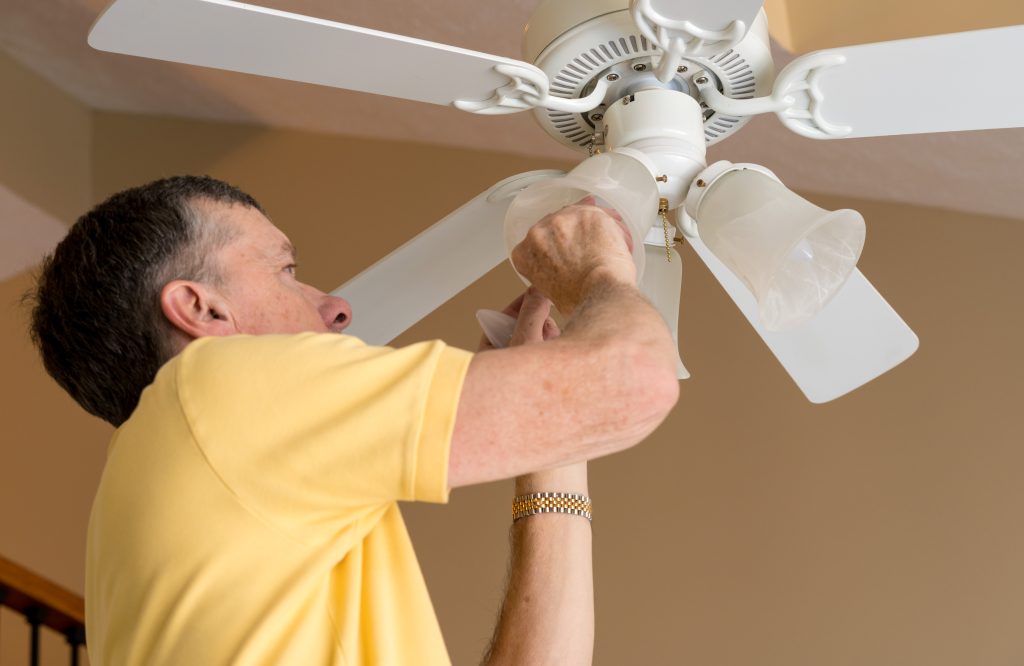
Measure Ceiling Height and Blade Clearance
Before you install ceiling fan in a recently renovated space, measure from the floor to the ceiling. It should meet the minimum clearance of 7 feet (2.1m) from blade to floor. This is a safety standard and a comfort guideline. For ceilings over 9 feet, you need a downrod to lower the fan for effective air circulation.
Also check the blade-to-wall clearance, which should be at least 18 inches (45cm) to prevent wobbling and ensure smooth airflow. Furniture layout changes during renovations may affect this spacing. So plan your fan’s center point carefully to avoid future adjustments during or after ceiling fan installation.
Looking for professional help to make sure it’s done right? Search for a licensed expert offering ceiling fan installation near me who can assess ceiling slope, height, and mounting type—flush mount vs. standard—to match the fan.
Schedule a Licensed Electrician Early
Before you install ceiling fan fixtures after a renovation, you should ask your electrician to ensure you’re complying with AS/NZS 3000 electrical standards. If your renovation has new wiring, added circuits, or smart home upgrades, you’ll need a qualified installer. So, the electrician can integrate the ceiling fan with control options that involve 3-speed wall switches, IR/RF remotes, or smart modules like Google Nest or Alexa.
A professional electrician will also check that your fan-rated ceiling box can handle the fan’s weight and torque. For instance, most residential fans require a junction box rated for 70–90 lbs, fixed directly to framing or joists. If you’ve added false ceilings, plasterboard linings, or insulation above, your fan stability might need the right box and bracing.
To avoid post-reno headaches, search ceiling fan installation near me and secure a local pro. Licensed installers not only speed up the process, but they’ll also flag safety issues. These issues include ungrounded wiring, outdated RCDs, or small circuit breakers that could pose risks long-term.
Conclusion
A professional ceiling fan installation after renovation can enhance airflow, comfort, and energy efficiency. But you have to be careful so it doesn’t damages fresh finishes or triggering rework. It’s crucial to use the correct fan-rated ceiling box, confirm electrical compliance, and match mounting hardware to ceiling height and room type.
Don’t risk DIY errors like DIY AC installation or last-minute delays. Whether you’re renovating a single room or the entire house, All Areas Electrical SA can help you install ceiling fan units safely and professionally.
Contact us today for on-time installation that fits your renovation timeline.