
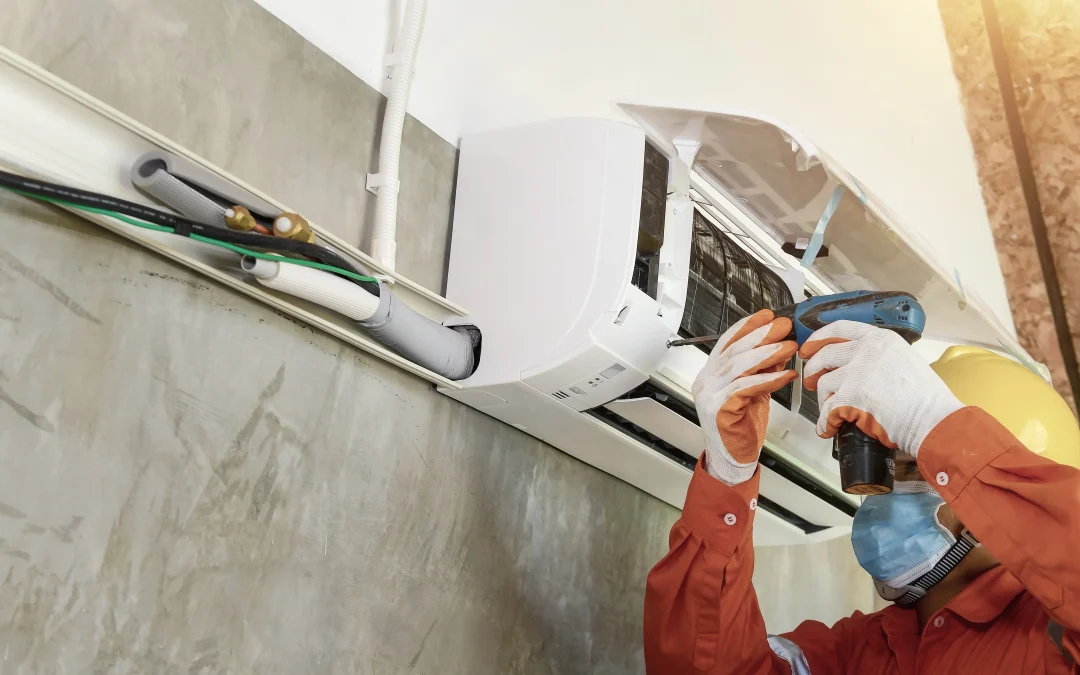
Many homeowners overlook the importance of choosing the right air conditioning installer. But even the best system can underperform or break down early if the services don’t install them correctly. So, installation quality is important for long-term comfort and cost-efficiency.
When it comes to installing an air conditioning unit, correct sizing and placement to proper airflow design, matters. A qualified professional can assess your home’s layout, insulation levels, and power load to ensure optimal performance from day one.
Expert AC installation doesn’t just improve energy efficiency; it also extends the manufacturer warranty. In the long run, going for a professional installer saves money, reduces stress, and guarantees year-round comfort.
Energy Efficiency Starts with Expert Sizing
A qualified air conditioning installer performs a Manual J load calculation. This considers room dimensions, insulation R-values, window orientation, shading, and even how many people live in the home. For instance, a 2.5kW unit might work for a 20m² bedroom, but a 7kW system may be needed for a sunny 40m² living room.
Before installing an air conditioning unit, a professional checks your home’s airflow patterns, ceiling height, and thermal load zones. This ensures that AC installation avoids issues like cold spots, short cycling, or sky-high power bills. Getting the size right from day one means fewer repairs, better comfort, and long-term savings.
Precision Placement Reduces Waste
A professional air conditioning installer doesn’t just pick a random wall or corner. They position indoor units away from direct sunlight and heat sources, with optimal height and airflow direction. Outdoor units need good ventilation, shade, and distance from bedroom windows to reduce noise.
When installing an air conditioning unit, experienced technicians consider insulation gaps, wall material, and airflow obstructions. Strategic AC installation helps avoid energy waste. For example, placing the unit near a window can lead to rapid heat gain, forcing the system to consume more electricity.
How Expert Installation Saves You Money
| Installation Element | Why It Matters | What Professionals Ensure |
|---|---|---|
| Sealed Ducts | Duct leaks can waste up to 30% of cooled air, raising energy bills. | A certified air conditioning installer uses sealing techniques and pressure tests. |
| Balanced Zones | Improper zoning leads to uneven temperatures and overworked systems. | Experts configure zones based on usage, insulation, and natural heat gain. |
| Smart Layouts | Poor placement reduces efficiency and increases runtime. | Professionals plan installing an air conditioning unit to optimise airflow, sun exposure, and accessibility. |
| Scheduled Maintenance | Dirty filters and vents reduce system output and shorten lifespan. | Quality AC services include inspections, cleaning, and preventative care. |
Avoid Costly Repairs and Replacements
Avoiding long-term repair costs starts with choosing a qualified air conditioning installer. Many homeowners attempt DIY setups to save money upfront, but mistakes in piping, wiring, or refrigerant handling can result in expensive damage.
Problems like gas leaks, blocked drainage, or faulty pressure levels often stem from incorrect installing an air conditioning unit without know-how. These issues not only reduce system performance but can also be hazardous.
Professional AC services typically come with a workmanship guarantee, ensuring your system runs safely and efficiently. In the long run, expert installation prevents premature replacements and keeps your cooling costs under control.
Maximising Your Warranty Coverage
Choosing a licensed air conditioning installer is essential for protecting your money. Leading brands like Mitsubishi Electric and Daikin require installation by certified professionals for the warranty claims.
If you’re installing an air conditioning unit without meeting these requirements, you risk voiding the manufacturer’s warranty altogether. This could leave you paying out of pocket for repairs that would otherwise be covered.
Proper air conditioning installation also includes compliance with local safety standards and documentation, which are typically requested in warranty claims. Always check brand guidelines and hire licensed experts to keep your coverage intact.
Long-Term Cost vs. Short-Term Saving
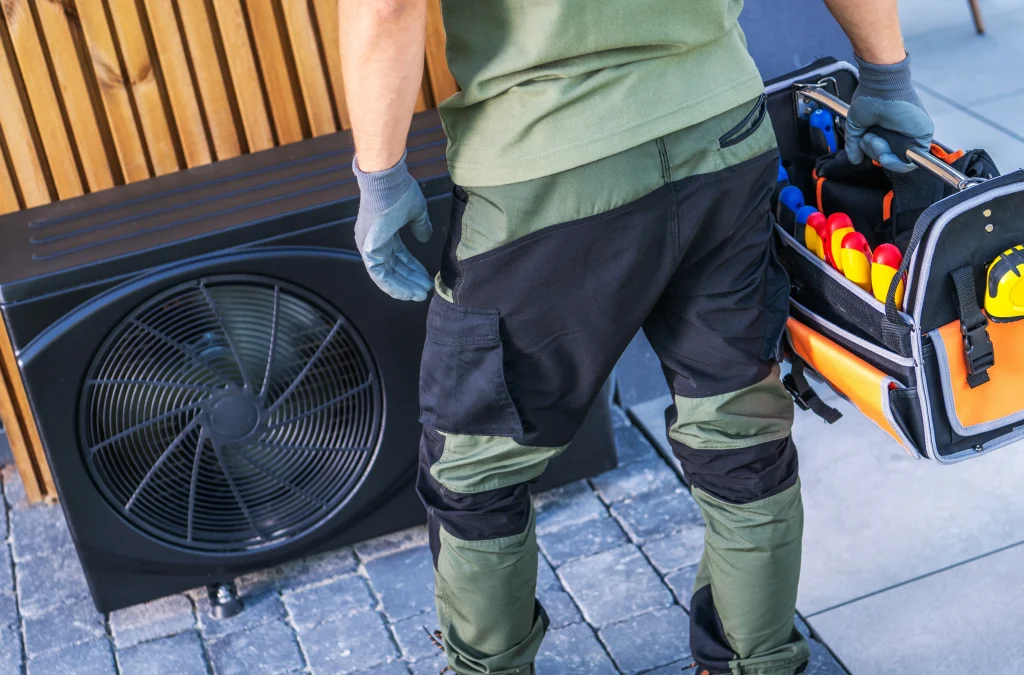
Many homeowners are tempted to cut costs by choosing the cheapest air conditioning installer or attempting a DIY AC installation. While this might save a few hundred dollars upfront, the long-term consequences can be far more expensive. They can range from inefficient cooling to premature system failure.
Improper installing an air conditioning unit often leads to higher energy bills due to poor airflow, incorrect sizing, or refrigerant issues. These inefficiencies can cost you hundreds each year, not to mention the early wear and tear on components, which may require costly replacements within just a few years.
Professional air conditioning installation ensures your system is correctly configured from day one. This not only maximizes performance but also extends the lifespan of your unit. It ultimately saves you thousands over time and offering peace of mind through proper warranties and compliance.
Conclusion
When it comes to indoor climate control, cutting corners on installation rarely pays off. A licensed air conditioning installer ensures that every component of your system works efficiently and safely, avoiding hidden costs and stress down the line.
Beyond just installing an air conditioning unit, professional service guarantees your setup complies with building codes. Choosing expert air conditioning installation is about securing long-term comfort and performance.
At All Areas Electrical S.A., we’re South Australia’s trusted team for residential, commercial, and industrial electrical services. And now your go-to experts for air conditioning installation. Contact Us now!
FAQs
1. Why should I hire a licensed air conditioning installer instead of doing it myself?
A licensed professional ensures the system is installed correctly, safely, and in compliance with Australian standards—preventing future issues and protecting your warranty.
2. What’s involved in installing an air conditioning unit at home?
It typically includes assessing your home’s layout, calculating the cooling load, selecting the right system, and setting up the indoor/outdoor units with proper electrical and drainage connections.
3. How long does air conditioning installation usually take?
For a standard split system, installation may take 4–8 hours. Larger or ducted systems can take one to two days depending on complexity and site conditions.
4. Can poor installation affect my system’s efficiency?
Absolutely. Incorrect placement, wrong unit size, or leaky ductwork can significantly increase energy use and reduce cooling performance.
5. Does professional installation affect my warranty?
Yes. Most manufacturers, like Daikin or Mitsubishi, require installation by a certified technician to keep warranty coverage valid.