
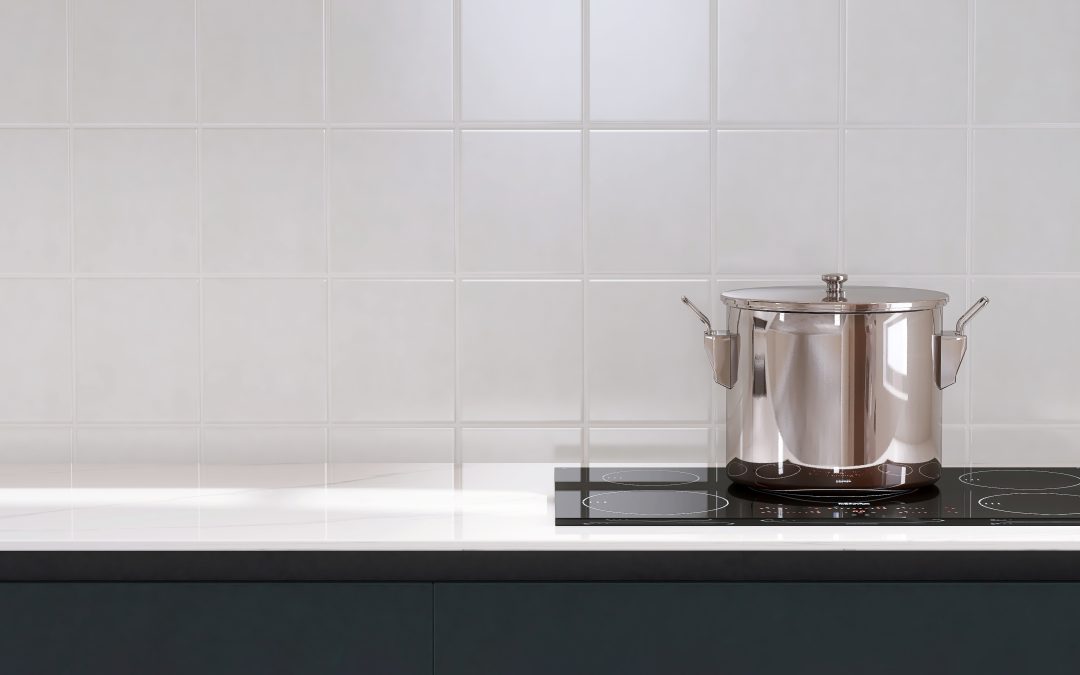
Installing induction cooktop is a popular choice for kitchens, due to its energy efficiency, sleek design, and cooking control. Homeowners upgrade from traditional gas and electric stoves to enjoy faster heating cooking experience. However, the way you handle the installation can make a big difference in performance and longevity.
Before diving into the process, it’s important to understand that a cooktop installation involves more than just placing the appliance into a countertop cut-out. It needs proper electrical connections, correct ventilation, and accurate measurements. A small mistake during installation can lead to performance issues or even void the manufacturer’s warranty.
Deciding between a DIY approach and professional help depends on your home setup, electrical knowledge, and comfort level with handling appliances. Some homeowners like the cost savings of self-installation, while others prefer expert electricians for a safe installation process.
Induction Cooktop Installation Requirements
When installing induction cooktop, the most critical requirement is ensuring proper electrical setup. Most built-in induction cooktops need a 220–240V dedicated circuit with 30–50 amps, depending on the model. Unlike gas cooktop installation, which only needs minimal electricity for ignition, induction cooktops rely entirely on electrical power.
Proper ventilation and precise countertop cut-out dimensions are equally important. Induction cooktops generate heat beneath the surface, and insufficient airflow can overheat internal components, reducing lifespan. Manufacturers typically recommend a minimum 2–3 inches of clearance below the cooktop and an accurately cut countertop opening to fit the unit securely.
Finally, no cooktop installation should be done without reading the manufacturer’s manual. Each brand provides exact measurements, wiring diagrams, and airflow requirements that differ slightly between models. The manual also clarifies whether additional support and thermal insulation.
DIY Installation: Pros and Cons
Pros
- If you doing the work yourself, you can avoid professional installation fees, which range from $100 to $300 depending on your area. This makes installing induction cooktop an attractive option for homeowners with basic electrical knowledge.
- You can choose the most convenient time for the project without waiting for a professional appointment or dealing with rescheduling.
- Completing a cooktop installation near me on your own can feel rewarding, especially for those comfortable with home improvement projects.
Cons
- Even a small mistake can lead to breaker trips, reduced efficiency, or leaks that damage cabinetry over time.
- Handling 220–240V wiring carries serious risk if proper safety steps and insulated tools are not used.
- Many brands require professional installation proof, and DIY work can leave you unprotected if repairs are needed.
- If you failing to meet local electrical codes, it may result in fines or force you to hire a professional to redo the work.
Professional Installation: Pros and Cons
Pros
- Certified electricians ensure safety and compliance. Professionals handle wiring according to local codes. It reduces the risk of electrical hazards when installing induction cooktop in your home.
- Most installation services include coverage for any issues, protecting both the appliance and your investment.
- Professional installers complete the job efficiently without you needing to study manuals or troubleshoot wiring issues.
- Proper alignment, ventilation, and sealing help the cooktop run efficiently for years without overheating or vibration problems.
Cons
- Professional services can add $100–$300 to the total cooktop installation near me, depending on your location and complexity of the job.
- You may need to wait for an available time slot, which can delay your kitchen upgrade compared to DIY flexibility.
When to Choose DIY and When to Hire a Pro
- Handling wiring and proper sealing requires confidence and skill, as mistakes during installing induction cooktop can lead to safety hazards or voided warranties.
- Professional installation ensures the cooktop is set up correctly, and experts can guide you on usage, safety tips, and maintenance for optimal performance.
- If your kitchen was designed for a gas stove, an electrician must install a dedicated 220–240V circuit before the cooktop installation near me can be safely completed.
- Premium models require precise countertop cuts, proper ventilation, and secure wiring to prevent damage and maximize lifespan, making professional help the best option.
Key Considerations Before Installing Induction Cooktop
Before installing induction cooktop, it’s essential to evaluate your kitchen’s electrical setup. Most induction models require a 220–240V circuit with the correct amperage to function safely. If your home previously had a gas stove, you may need new wiring to prevent breaker trips.
Space planning is another critical factor in any cooktop installation. The countertop cut-out must be precise, and there should be adequate ventilation to prevent the appliance from overheating. Incorrect measurements or insufficient airflow can shorten the cooktop’s lifespan and compromise efficiency.
Finally, review the manufacturer’s installation guide before starting. It provides instructions on electrical requirements, airflow clearance, and safety measures. Preparing in advance not only ensures a smooth installation but also helps avoid costly mistakes.
Which Is Better?
When it comes to installing induction cooktop DIY, like DIY AC installation, can be tempting because it saves on labor costs. However, it comes with significant risks, including electrical hazards and potential code violations. For homeowners without strong electrical skills, this approach can quickly become costly if mistakes need professional correction.
Professional cooktop installation offers peace of mind by ensuring safety, proper wiring, and compliance with local regulations. Professionals installers protect your warranty and make sure the cooktop operates efficiently for years to come. While it requires a higher upfront investment, it often prevents long-term issues.
Ultimately, the best choice depends on your skill level, home setup, and the value of your appliance. Evaluate whether you have the tools, confidence, and knowledge to handle the job yourself. Or else, hiring a professional is the safer and smarter investment.
Final Words
At All Areas Electrical S.A., we take pride in delivering safe, efficient, and reliable electrical solutions. We provide these services for homes, businesses, and industrial sites across South Australia. From wiring upgrades to complete climate control and air conditioning installation, our experienced team ensures every project meets safety requirements.
Whether you’re a homeowner looking for dependable service or a business needing large-scale support, we’re here to help.
Contact All Areas Electrical S.A. today to book your installation or request a free consultation.