
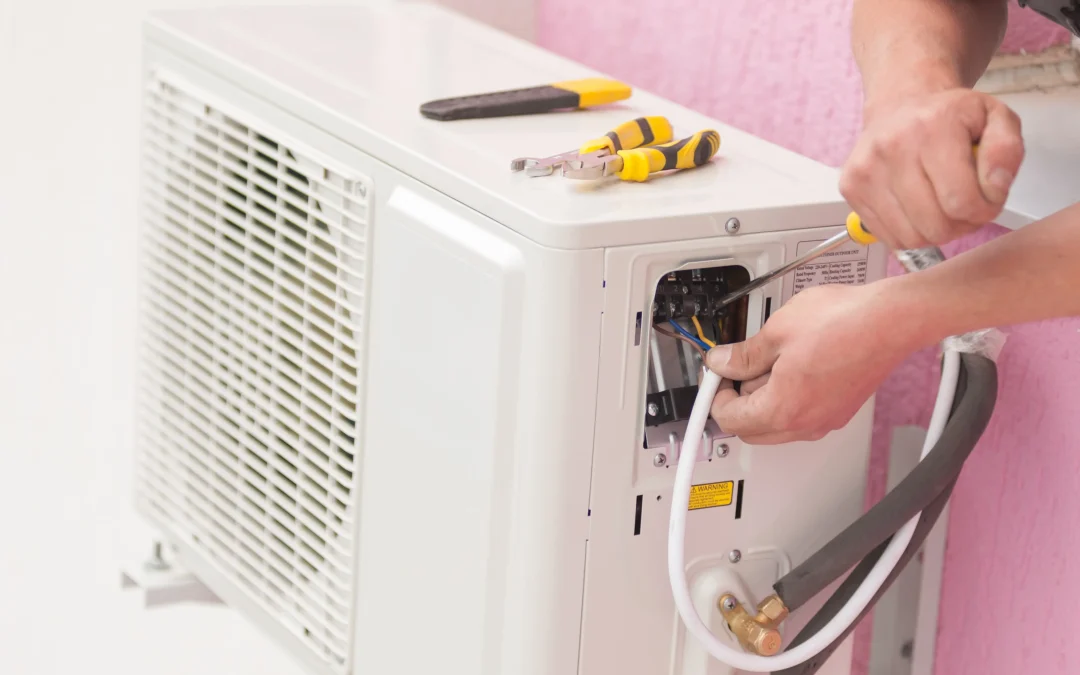
In multi-storey homes, cooling comfort isn’t always evenly spread. It’s common for upstairs rooms to stay hot while the lower floors feel chilly. This imbalance leads to overworking systems, higher energy bills, and frustrated homeowners.
That’s because installing an air conditioning unit across multiple floors requires a proper strategy. There are factors like airflow patterns, zoning, insulation, and ceiling space, that can play a big role in performance.
In this blog, we’ll break down the best options for multi-level AC installation, compare ducted and split systems, and help you avoid common pitfalls with expert-backed recommendations.
Why Multi-Storey Homes Need Special AC Consideration
In a typical two-storey home in South Australia, the temperature difference between floors can exceed 5–8°C during summer. That puts your AC under pressure. Installing an air conditioning unit in this setup requires strategic planning to manage vertical heat distribution effectively.
One key issue is airflow. If you don’t have duct zoning, a single thermostat downstairs won’t reflect upstairs heat. With proper AC installation, you can use multi-zone inverter systems or smart ducted solutions that allow you to independently control each floor, significantly reducing energy waste.
Additionally, every air conditioning installation should factor in insulation quality and stairwell design. Open staircases act like chimneys, pulling cold air down and letting hot air pool upstairs. A licensed installer will assess these architectural features and recommend the correct system capacity, duct layout, and vent positioning.
Split Systems for Multi-Storey Homes
When it comes to installing an air conditioning unit in a multi-story home, split systems should be your go to choice. These units consist of an indoor wall-mount unit and an outdoor compressor. The right size of AC makes them ideal for retrofits or situations where ductwork isn’t feasible. This is especially happens in older or multi-level homes.
One of the biggest advantages of split system air conditioning installation is zone flexibility. You can install separate indoor units on each floor or even in individual rooms, giving you control over which areas are cooled and when. This setup avoids the energy loss due to ducts and can reduce electricity bills.
For homes undergoing renovation or partial upgrades, a split system is a cost-effective alternative to full AC installation. You can pair it with smart controllers to manage multiple indoor units from a single outdoor unit.
Duct Air Conditioning with Zoning
For multi-storey homes, ducted systems paired with zoning technology allow precise temperature control on each floor. You can turn on or off each zone individually. This cuts energy waste and improves comfort when you need the most.
When you compare that to split system air conditioning installation, ducted setups require more planning. You need correct duct sizing, damper placement, and return air paths to avoid pressure imbalance or uneven airflow. This type of AC installation is ideal if you’re cooling the whole home and want a ceiling-integrated system.
Always choose a licensed air conditioning installer to design zoning properly. As poor zoning can cause hot spots, short cycling, and inflated energy bills.
Multi-Head Split Systems
Multi-head systems allow you to connect multiple indoor units to a single outdoor compressor, making them a smart choice for double-story homes where wall space or outdoor clearance is limited. This means fewer penetrations through walls and more streamlined setup.
Unlike traditional ducted air conditioning installation, these systems don’t require ceiling space or complex ductwork. They’re ideal for renovations or heritage homes where installing ducts isn’t possible or allowed.
If you’re installing an air conditioning unit in rooms with different cooling needs, multi-heads provide excellent zone flexibility with temperature control. So, for proper design and performance, you should always hire a great AC installation team.
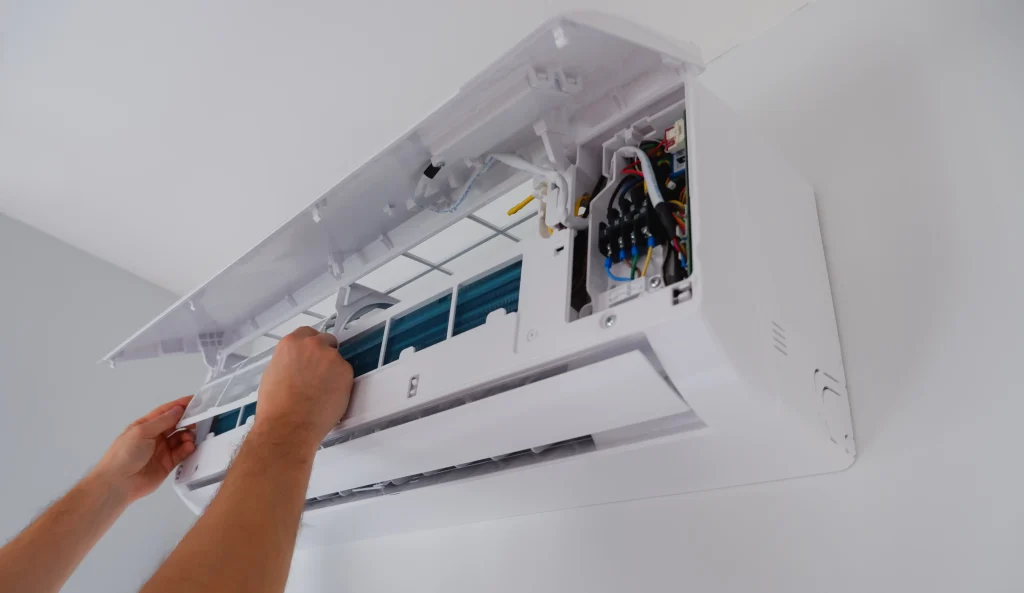
Factors to Consider Before Installing an Air Conditioning Unit
- Check if there’s ceiling space for ducting or wall access for indoor units before installing an air conditioning unit.
- Ensure your home’s electrical load and switchboard can support the new system.
- Always get a professional site assessment before any AC installation to avoid expensive adjustments later.
- Consider insulation levels, room usage, and airflow dynamics between floors.
- Discuss options like split system air conditioning installation or ducted zoning with a licensed technician.
Mistakes to Avoid
- Choosing the wrong system size, as oversize units cycle too fast; undersized ones struggle to cool.
- Ignoring airflow balance, uneven temperatures between floors cause discomfort and higher bills.
- Attempting DIY air conditioning installation can lead to inefficiencies, safety hazards, and voided warranties.
- Not planning for future expansions, especially in growing families or renovated homes.
- Skipping compliance checks or permits required for AC installation in your area.
- Always go for the compliance checks or permits required for AC installation in your area.
Why Professional Installation Matters
Choosing a professional for installing an air conditioning unit in a multi-story home isn’t just about plugging in a system. It is more about understanding airflow, calculating the right load, and zoning the system correctly for each level. A licensed installer ensures that your setup meets building codes and delivers consistent comfort across every floor.
For homeowners in South Australia, All Areas Electrical S.A is the trusted name for reliable AC installation. With years of experience and a reputation for quality, they offer tailored services to match your home’s structure. Explore their full range of electrical and air conditioning services to get expert results that last.
Conclusion
Getting the right cooling solution for a multi-storey home is more than just picking a brand or a system type. It’s about understanding your home’s structure, airflow challenges, and how each floor behaves differently throughout the day. The right system not only improves comfort but also cuts long-term costs on repairs and energy.
Whether you’re installing an air conditioning unit for the first time or upgrading an old one, professional advice and installation are non-negotiable. With proper AC installation, you ensure zoning works correctly, energy use is optimized, and your warranty stays protected.